Can Bitcoin Make You Money? Or Lose It?

Okay, I understand. Here's an article responding to the prompt "Can Bitcoin Make You Money? Or Lose It?", adhering to your guidelines:
The allure of Bitcoin is undeniable. Headlines trumpet stories of early adopters becoming millionaires, while social media feeds overflow with predictions of exponential gains. This potent combination of potential reward and widespread hype has drawn countless individuals into the world of cryptocurrency, often with the primary question: can Bitcoin make me money? The answer, as with most investment vehicles, is a resounding "it depends," followed by a complex web of factors influencing both profit and potential loss.
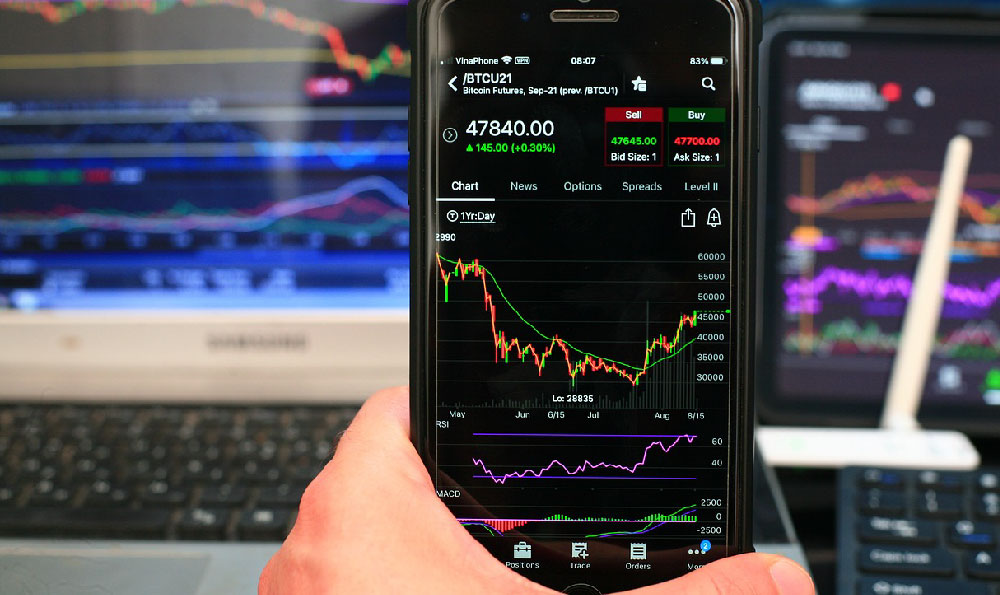
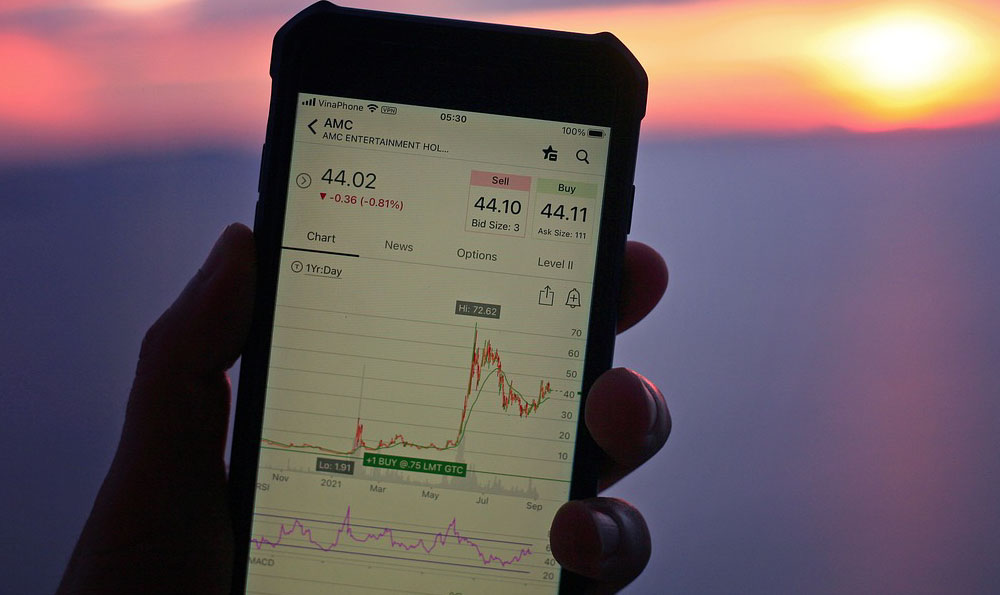
To begin with, the volatility inherent in Bitcoin is a double-edged sword. Its price can skyrocket within days, offering opportunities for substantial profits to those who buy low and sell high. Conversely, the same rapid price swings can decimate investments just as quickly. Unlike traditional assets tied to tangible value or predictable market forces, Bitcoin's price is heavily influenced by speculation, media sentiment, regulatory announcements, and technological advancements within the blockchain space. A single tweet from a prominent figure, a negative news article about a security breach on a crypto exchange, or the announcement of stricter regulations in a major economy can trigger massive sell-offs, wiping out significant portions of an investor's portfolio. This inherent risk makes Bitcoin investments unsuitable for those with a low risk tolerance or those who cannot afford to lose a significant portion of their investment.

Furthermore, understanding the underlying technology and the broader cryptocurrency ecosystem is crucial for informed investment decisions. Blindly following investment tips from online forums or social media influencers without conducting thorough research is a recipe for disaster. Investors should understand the concept of blockchain, how Bitcoin transactions are validated, the security risks associated with storing Bitcoin in digital wallets, and the potential for scams and fraudulent schemes. Knowledge is the greatest defense against making emotionally driven decisions and falling prey to malicious actors.
Another critical aspect to consider is the long-term viability of Bitcoin as an investment. While Bitcoin has demonstrated resilience over the past decade, its future is far from guaranteed. The cryptocurrency landscape is constantly evolving, with new and innovative projects emerging regularly. Bitcoin faces competition from alternative cryptocurrencies with potentially superior technology, faster transaction speeds, and lower fees. The development and adoption of competing cryptocurrencies could erode Bitcoin's market share and diminish its value.
Beyond the competition from other cryptocurrencies, the regulatory environment surrounding Bitcoin remains uncertain. Governments around the world are grappling with how to regulate cryptocurrencies, and the implementation of stricter regulations could significantly impact Bitcoin's price and adoption. Some countries have outright banned Bitcoin, while others are considering implementing stricter licensing requirements and taxation policies. The uncertainty surrounding regulatory frameworks adds another layer of risk to Bitcoin investments.
The cost of transacting in Bitcoin, often referred to as "gas fees," also impacts profitability. During periods of high network congestion, transaction fees can spike dramatically, making it expensive to buy, sell, or transfer Bitcoin. These fees can eat into potential profits, especially for small transactions. Investors should factor in these fees when calculating their potential returns.
Investing in Bitcoin through unregulated exchanges or platforms carries significant risk. Many unregulated exchanges lack robust security measures and are vulnerable to hacking and theft. In the event of a security breach, investors could lose their entire Bitcoin holdings. It is crucial to choose reputable and regulated exchanges with a proven track record of security and compliance.
Tax implications also play a vital role in determining whether Bitcoin investments are profitable. In many jurisdictions, Bitcoin is treated as property, and any gains from selling or trading Bitcoin are subject to capital gains taxes. Investors should understand the tax laws in their respective countries and keep accurate records of their Bitcoin transactions to ensure compliance. Failing to properly report Bitcoin gains can result in penalties and legal repercussions.
Instead of viewing Bitcoin as a get-rich-quick scheme, individuals should approach it as a long-term investment with a high degree of risk. Diversifying your portfolio across multiple asset classes is crucial to mitigate the risk associated with Bitcoin's volatility. A well-diversified portfolio should include traditional assets such as stocks, bonds, and real estate, as well as alternative investments like Bitcoin. Allocating only a small percentage of your portfolio to Bitcoin can help to limit your potential losses while still allowing you to participate in the potential upside.
Ultimately, determining whether Bitcoin can make or lose you money hinges on a multitude of factors including your risk tolerance, understanding of the technology, investment strategy, and the ever-changing market dynamics. It's not a magic ticket to riches, but rather an asset demanding careful consideration, continuous learning, and a healthy dose of caution. Due diligence, responsible investing practices, and a realistic understanding of the risks involved are essential for navigating the turbulent waters of the Bitcoin market and making informed decisions that align with your financial goals. Without these elements, the potential for significant financial loss becomes a very real possibility.