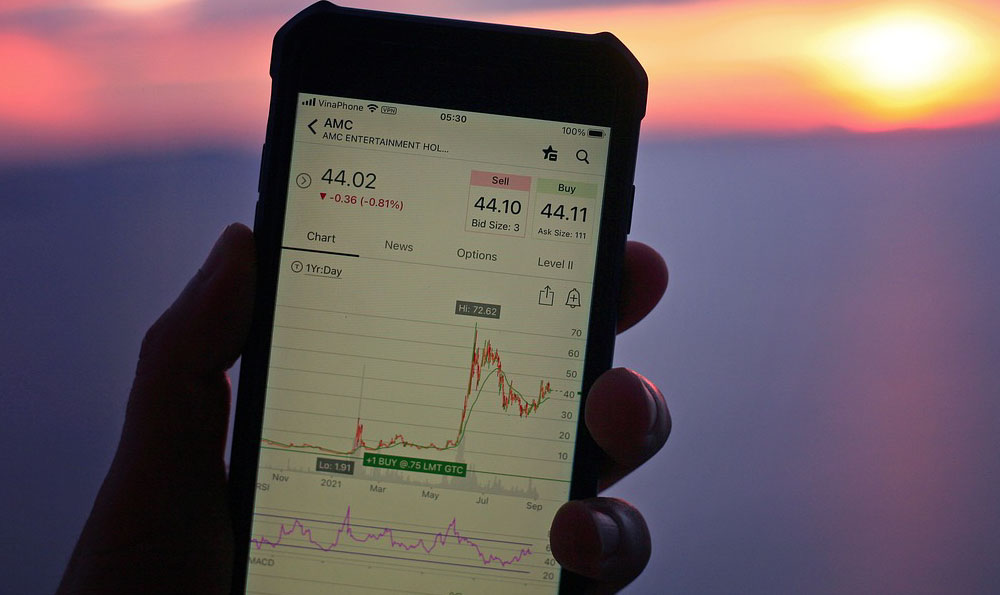
How to Day Trade: Can You Really Make Money?

Okay, I understand. Here’s an article based on the title "How to Day Trade: Can You Really Make Money?" written to meet your specifications.
The allure of day trading, the practice of buying and selling financial instruments within the same trading day, hoping to profit from small price movements, is undeniable. Visions of quickly accumulating wealth and escaping the traditional 9-to-5 grind dance in the heads of many aspiring traders. But is this dream a realistic possibility, or just a seductive illusion that leads to financial ruin for most? The answer, as with most things in finance, is complex and nuanced, demanding a thorough understanding of the risks, rewards, and skills involved.
The fundamental premise of day trading rests on exploiting short-term volatility in the market. Day traders aim to capitalize on intraday price fluctuations, holding positions for mere minutes or hours before closing them out by the end of the trading day. This contrasts sharply with long-term investing, where the goal is to hold assets for extended periods, weathering market ups and downs to benefit from long-term growth. To achieve success, day traders rely heavily on technical analysis, studying charts and indicators to identify potential entry and exit points. They employ a variety of strategies, including scalping (making small profits from tiny price movements), momentum trading (following trends), and arbitrage (exploiting price discrepancies in different markets). The leverage, or borrowed capital, frequently used to amplify potential returns, amplifies losses just as quickly, creating a high-stakes environment.

One of the primary reasons why day trading is so appealing is the perceived potential for high returns. The idea of making substantial profits in a short amount of time is undoubtedly enticing. Consider a scenario where a trader identifies a stock poised for a breakout and uses leverage to amplify their position. If the stock moves as anticipated, the profits can be significant relative to the capital invested. However, this potential reward comes with an equally significant risk: the potential for substantial losses. The market is unpredictable, and even the most sophisticated analysis cannot guarantee success. A sudden, unexpected news event or a shift in market sentiment can quickly wipe out profits and even exceed the initial investment, leaving the trader in a worse financial situation than when they started.
Beyond the inherent volatility of the market, the odds are further stacked against individual day traders by several factors. Institutional traders, with their access to sophisticated technology, advanced trading algorithms, and real-time market data, possess a distinct advantage. These large firms often have teams of analysts and traders working around the clock, providing them with insights and resources that are simply unavailable to the average individual. Furthermore, the speed at which these institutions can execute trades can be a decisive factor in a market where milliseconds matter. Individual traders are often competing against these sophisticated players, putting them at a significant disadvantage.
Another critical aspect to consider is the emotional toll of day trading. The fast-paced, high-pressure environment can be incredibly stressful, requiring traders to make split-second decisions with real money on the line. Fear and greed, two powerful emotions, can cloud judgment and lead to impulsive actions that are detrimental to trading performance. Experienced day traders develop strategies to manage these emotions, adhering to strict trading plans and risk management rules to avoid making costly mistakes. They understand the importance of discipline, patience, and objectivity in the face of market volatility. Without emotional control, the inevitable losing trades can trigger a cascade of poor decisions, leading to significant losses.
So, can you really make money day trading? The answer is yes, but it's an extremely challenging endeavor with a low success rate. Numerous studies have shown that the vast majority of day traders lose money, with only a small percentage achieving consistent profitability. Those who succeed are typically highly skilled, disciplined, and well-capitalized individuals who have dedicated years to mastering the art of trading. They possess a deep understanding of market dynamics, technical analysis, risk management, and their own psychological biases.
Before considering day trading, individuals should critically assess their financial situation, risk tolerance, and time commitment. It’s essential to have a solid financial foundation, including an emergency fund, before risking any capital in the market. Furthermore, potential day traders should be prepared to dedicate a significant amount of time to learning and practicing, treating it as a serious profession rather than a get-rich-quick scheme. This includes studying market theory, practicing with a demo account, and developing a comprehensive trading plan.
A well-defined trading plan is crucial for success. This plan should outline specific trading strategies, entry and exit criteria, risk management rules, and position sizing guidelines. It should also include a detailed record of past trades, allowing traders to analyze their performance and identify areas for improvement. Risk management is paramount, and traders should never risk more than a small percentage of their capital on any single trade. Stop-loss orders, which automatically close out a position when it reaches a predetermined price level, are essential for limiting potential losses. Position sizing, which determines the amount of capital allocated to each trade, should be carefully calculated based on risk tolerance and market volatility.
Ultimately, the decision to engage in day trading is a personal one that should be based on a thorough understanding of the risks and rewards involved. It’s not a suitable activity for everyone, and it requires a significant investment of time, effort, and capital. While the potential for high returns is undoubtedly appealing, the odds are stacked against individual traders. Those who are serious about pursuing day trading should approach it with a disciplined and professional mindset, focusing on continuous learning, risk management, and emotional control. Otherwise, the dream of quick wealth can quickly turn into a financial nightmare. It's often wiser to consider more traditional and less risky investment strategies, especially for those new to the world of finance. Remember, consistent, long-term investing often proves more fruitful and less stressful than chasing fleeting intraday profits.