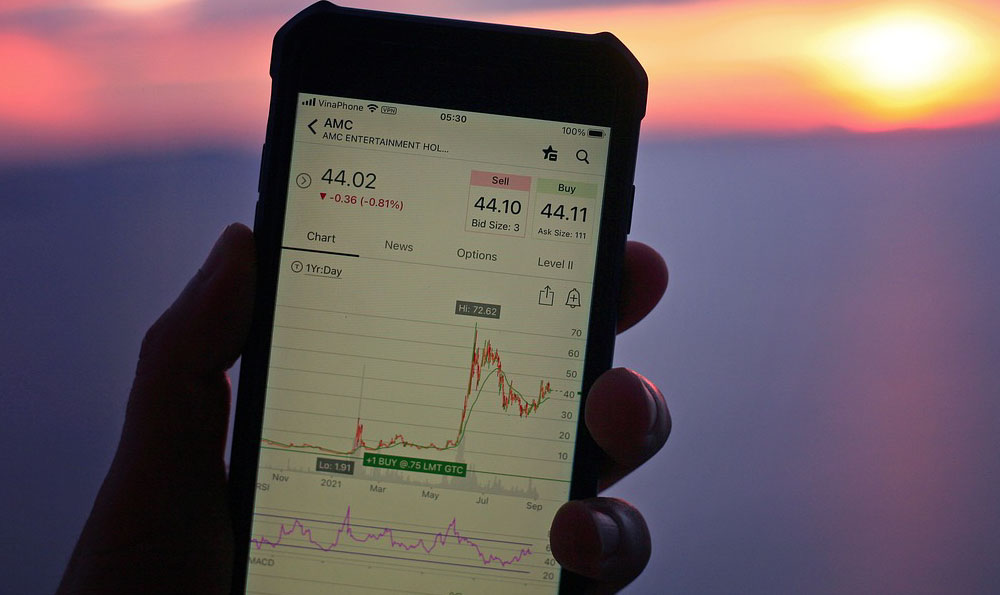
Do Day Traders Actually Profit? What Percentage Succeeds?

Day trading, the practice of buying and selling financial instruments within the same trading day, holds a certain allure for those seeking quick profits. It’s often portrayed as a path to wealth, fueled by rapid market fluctuations and the potential for high returns. However, the reality is far more nuanced and, for many, far less profitable than the idealized vision. The question of whether day traders actually profit, and the percentage that succeeds, is a subject of intense debate and extensive research, yielding results that often paint a sobering picture.
A significant body of research indicates that the vast majority of day traders do not consistently make money. Studies, including those analyzing vast datasets from brokerage firms, consistently reveal that a substantial percentage of day traders lose money over time. The numbers vary slightly depending on the timeframe and the specific market studied, but the general consensus points to a losing rate of 70-90% for most day traders. This means that only a small fraction of individuals actively engaging in day trading are able to generate sustainable profits.
So, why do so many fail? The reasons are multi-faceted and intertwined. One primary factor is the sheer complexity of the market. Successful day trading requires a deep understanding of market dynamics, technical analysis, fundamental analysis (to a lesser extent than long-term investing, but still important for understanding overall market sentiment), risk management, and even behavioral psychology. It's not enough to simply guess which direction a stock or cryptocurrency will move; day traders need to anticipate market sentiment, identify patterns, and execute trades with precision and speed. This requires significant training, discipline, and experience.

Another contributing factor is the inherent disadvantage faced by individual day traders compared to institutional investors. Large institutions have access to sophisticated trading platforms, cutting-edge technology, and teams of experienced analysts who can provide them with valuable insights. They can execute trades more quickly and efficiently, often gaining an edge in volatile markets. Individual day traders, on the other hand, are often reliant on readily available but potentially lagging information and are limited by the capabilities of their personal trading platforms.
Furthermore, psychological factors play a crucial role in day trading success. The rapid-fire nature of day trading can be incredibly stressful, leading to emotional decision-making. Fear of missing out (FOMO) can drive traders to enter positions impulsively, while fear of losses can lead to premature exits or, conversely, holding onto losing positions for too long in the hope of a rebound. Greed can also cloud judgment, causing traders to take on excessive risk in pursuit of quick gains. The ability to maintain emotional detachment and adhere to a pre-defined trading plan is essential for successful day trading, but it's a skill that many find difficult to master.
The prevalence of leverage in day trading also exacerbates the risks. While leverage can amplify potential profits, it can also magnify losses, potentially wiping out a trader's capital in a short period of time. Many day traders rely on leverage to increase their trading power, but without proper risk management, this can be a recipe for disaster.
The few who do succeed in day trading typically possess certain characteristics. They are highly disciplined, patient, and analytical. They have a well-defined trading plan that outlines their entry and exit strategies, risk tolerance, and money management rules. They are also adept at managing their emotions and avoiding impulsive decisions. Furthermore, successful day traders are constantly learning and adapting to changing market conditions. They meticulously track their performance, analyze their mistakes, and refine their strategies accordingly. They also invest significant time in education, constantly seeking to improve their understanding of market dynamics and trading techniques.
It’s also important to distinguish between trading and investing. Investing typically involves taking a longer-term view, focusing on the fundamental value of an asset and holding it for an extended period. Day trading, on the other hand, is a short-term speculative activity that relies on technical analysis and market timing. While both can be profitable, they require different skill sets and approaches. Investing is generally considered to be a more sustainable and less risky strategy for most individuals.
Therefore, before venturing into day trading, individuals should carefully consider the risks involved and honestly assess their own capabilities and resources. It is crucial to have a solid understanding of the market, a well-defined trading plan, and the discipline to stick to it. It’s also wise to start with a small amount of capital that you can afford to lose and to gradually increase your trading size as you gain experience and confidence. Furthermore, continuous education and self-reflection are essential for long-term success.
In conclusion, while the allure of quick profits can be tempting, the reality is that day trading is a challenging and high-risk activity. The vast majority of day traders do not consistently make money, and only a small percentage achieve sustained profitability. Success requires a combination of knowledge, discipline, emotional control, and significant time and effort. Before embarking on a day trading career, individuals should carefully consider the risks and honestly assess their own capabilities. Exploring alternative investment strategies, focusing on long-term investing, and seeking professional financial advice may be more prudent options for most people seeking to grow their wealth.