Is Making Side Money Possible? How Can I Do It?

The pursuit of financial well-being often leads us to explore avenues beyond our primary income source. The question of whether making side money is possible is not just rhetorical; it's a resounding yes, substantiated by countless success stories and readily available opportunities in today's dynamic economy. The more pertinent question then becomes: how can I effectively and sustainably generate supplemental income? The answer lies in a combination of self-assessment, strategic planning, and consistent effort.
Firstly, a thorough self-assessment is crucial. What skills do you possess that are marketable? Are you proficient in writing, editing, graphic design, web development, tutoring, or a specific trade? Identifying your inherent abilities and acquired expertise forms the foundation of your side hustle strategy. Consider your passions as well. A side venture rooted in your interests is more likely to sustain your motivation and yield better results. Maybe you love photography, baking, or crafting. These passions can be monetized through various channels, from online marketplaces to local events.
Once you've identified your skills and interests, research the potential demand for these services or products. Are there existing markets that you can tap into? What are the going rates for similar offerings? Market research provides valuable insights into the competitive landscape and helps you price your services or products competitively. Tools like Google Trends, social media analytics, and online market research platforms can be invaluable in this process. Don't underestimate the power of networking. Talk to friends, family, and colleagues to gauge interest and potentially uncover hidden opportunities.

The next step involves choosing the right side hustle model. There are numerous options available, each with its own set of advantages and disadvantages. Freelancing platforms like Upwork, Fiverr, and Toptal connect freelancers with clients seeking various services. These platforms provide a structured environment for finding work, managing projects, and receiving payments. However, competition can be fierce, and platform fees can eat into your earnings.
Alternatively, you can build your own website or online store to sell products or services directly to customers. This approach offers greater control over your brand, pricing, and customer experience. However, it requires more upfront investment in website development, marketing, and customer service. E-commerce platforms like Shopify and Etsy can simplify the process of setting up an online store.
Another increasingly popular option is participating in the gig economy. This includes driving for ride-sharing services like Uber and Lyft, delivering food for companies like DoorDash and Uber Eats, or renting out your property on Airbnb. These gigs offer flexibility and immediate income, but earnings can fluctuate depending on demand and competition. It's important to factor in expenses such as vehicle maintenance, gas, and insurance when calculating your net profit.
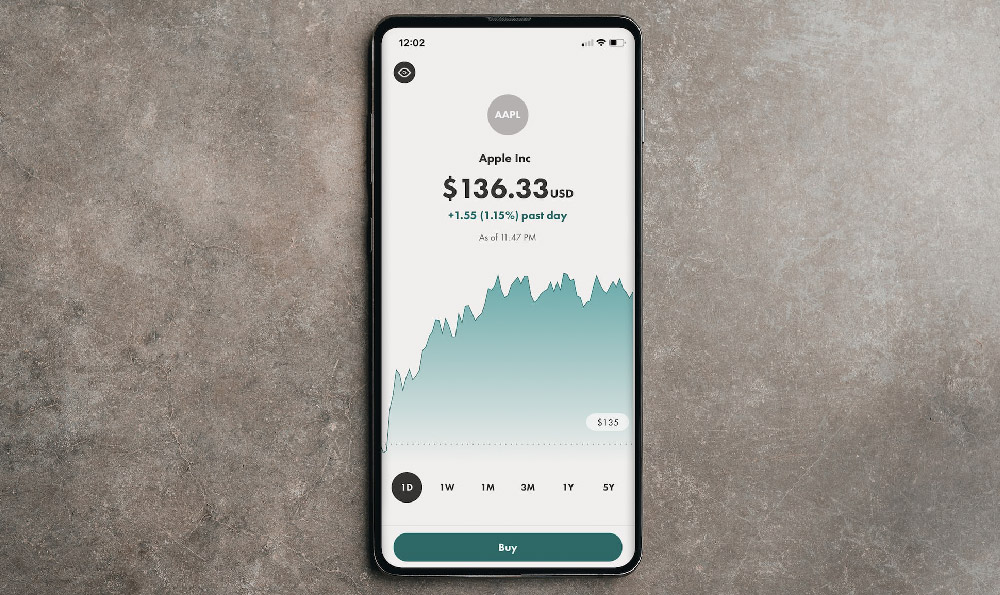
Investing in the stock market or other financial instruments can also be considered a form of side income generation, albeit with a higher degree of risk. Dividend-paying stocks, real estate investment trusts (REITs), and peer-to-peer lending platforms can provide a stream of passive income. However, it's crucial to conduct thorough research and understand the risks involved before investing any money. Consider consulting with a financial advisor to develop a diversified investment strategy that aligns with your risk tolerance and financial goals.
Regardless of the chosen side hustle model, effective time management is essential. Balancing your primary job with a side venture requires discipline and prioritization. Create a schedule that allocates specific time slots for your side hustle activities. Avoid overcommitting yourself and ensure that you have adequate time for rest and relaxation. Tools like Google Calendar, Trello, and Asana can help you stay organized and track your progress.
Marketing and promotion are crucial for attracting customers and growing your side hustle. Utilize social media platforms like Facebook, Instagram, and LinkedIn to promote your services or products. Create engaging content that showcases your expertise and builds trust with your target audience. Consider running targeted advertising campaigns to reach a wider audience. Word-of-mouth marketing can also be highly effective. Encourage satisfied customers to refer their friends and family.
Finally, remember that building a successful side hustle takes time and effort. Don't get discouraged if you don't see immediate results. Continuously learn and adapt to changing market conditions. Seek feedback from customers and colleagues to identify areas for improvement. Invest in yourself by taking courses, attending workshops, and reading industry publications. Most importantly, remain persistent and committed to your goals. The possibility of generating side income is undoubtedly real, and with the right approach and unwavering dedication, you can achieve financial independence and unlock your full potential. Embrace the challenge, leverage your skills, and embark on the journey to creating a fulfilling and profitable side venture.