How to Make Counterfeit Money: Is It Possible, and What Are the Risks?

The allure of instant wealth and financial freedom can be a powerful motivator, but it's crucial to understand that the path to genuine and sustainable prosperity lies in legitimate means. The question of "How to Make Counterfeit Money" is fraught with legal, ethical, and practical complexities. While the technical aspects of creating counterfeit currency might seem intriguing, the consequences far outweigh any potential, short-lived gains.
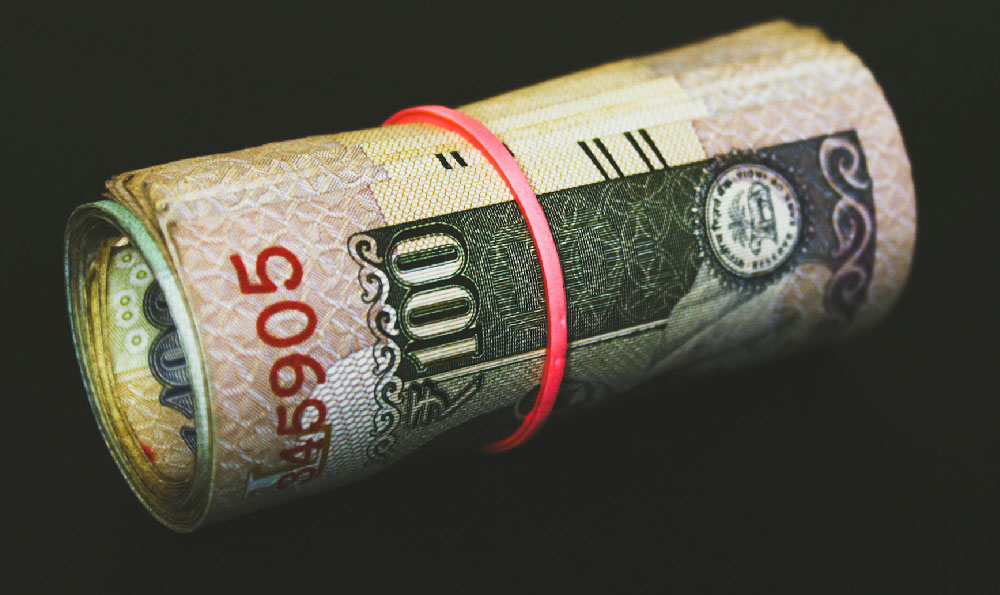
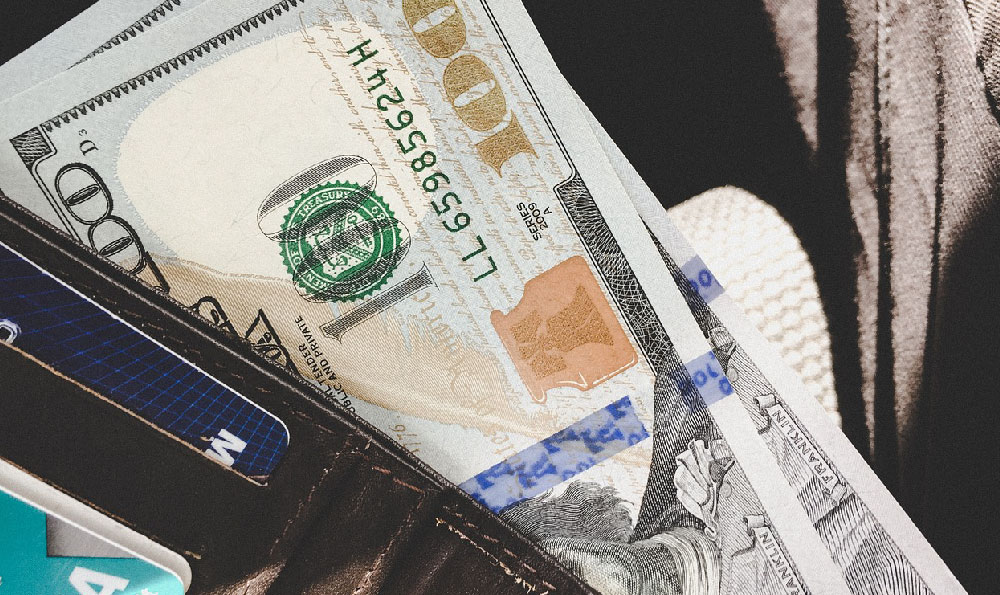
Let's address the core question: Is it possible to make counterfeit money? Technically, yes. With access to advanced printing technology, high-resolution scanners, specialized paper, and the right inks, creating a passable imitation of currency is within the realm of possibility. However, the ease with which it can be done is often greatly exaggerated. Modern currency is designed with sophisticated security features that are incredibly difficult and expensive to replicate accurately. These features include watermarks, security threads, microprinting, color-shifting ink, and intricate designs that require specialized equipment and expertise to reproduce convincingly.
Attempting to circumvent these security measures often results in counterfeit bills that are easily detectable by trained professionals and even the average citizen. Think about the cashiers you encounter daily – they are often trained to spot subtle inconsistencies in currency. The margin for error is slim. Imperfections in the paper quality, printing alignment, color accuracy, or the reproduction of security features can immediately raise red flags. Furthermore, law enforcement agencies worldwide are constantly refining their methods for detecting and tracking counterfeit currency, making it increasingly difficult for counterfeiters to operate undetected.

Now, let's delve into the risks associated with counterfeiting. These risks are not merely theoretical; they are very real and can have devastating consequences:
Legal Ramifications: Counterfeiting is a serious crime with severe penalties. Depending on the jurisdiction, it can lead to lengthy prison sentences, hefty fines, and a permanent criminal record. The severity of the punishment often depends on the scale of the operation, the amount of counterfeit money produced, and the intent behind the crime. Simply possessing counterfeit currency, even if you didn't create it, can result in arrest and prosecution. Ignorance of the law is not an excuse.
Financial Ruin: The resources required to produce convincing counterfeit currency are significant. Investing in the necessary equipment, materials, and expertise can be incredibly expensive, and there's no guarantee of success. If caught, you not only face legal penalties but also the loss of all the resources you invested in the illegal operation. You could find yourself in a far worse financial situation than when you started, burdened by debt and legal fees.
Reputational Damage: Being convicted of counterfeiting can irrevocably damage your reputation. It can make it difficult to find employment, secure loans, or even maintain relationships with family and friends. The stigma associated with such a crime can follow you for the rest of your life, hindering your ability to rebuild your life and regain the trust of others.
Safety Risks: Involvement in counterfeiting can expose you to dangerous individuals and criminal organizations. Often, counterfeiting operations are connected to other illegal activities, such as drug trafficking, money laundering, and organized crime. This can put you and your loved ones at risk of violence, extortion, and other forms of harm.
Ethical Considerations: Beyond the legal and practical risks, there are also significant ethical considerations. Counterfeiting undermines the integrity of the financial system, erodes trust in currency, and can destabilize economies. It harms businesses and individuals who unknowingly accept counterfeit bills, and it ultimately contributes to a climate of distrust and insecurity. It is essentially theft from everyone who uses that currency, devaluing their hard-earned money.
Instead of pursuing the dangerous and ultimately self-defeating path of counterfeiting, focus on legitimate and sustainable ways to build wealth and achieve financial security. This includes:
-
Education and Skill Development: Invest in your education and develop valuable skills that are in demand in the job market. This can increase your earning potential and create opportunities for career advancement.
-
Saving and Budgeting: Create a budget and track your spending to identify areas where you can save money. Even small savings can add up over time.
-
Investing Wisely: Learn about different investment options, such as stocks, bonds, and real estate, and develop a diversified investment portfolio that aligns with your risk tolerance and financial goals. Seek professional financial advice if needed.
-
Entrepreneurship: Consider starting your own business if you have a viable idea and the drive to succeed. Entrepreneurship can be a rewarding path to financial independence, but it also requires hard work, dedication, and careful planning.
-
Financial Literacy: Continuously educate yourself about personal finance and investment strategies. This will empower you to make informed decisions and manage your money effectively.
In conclusion, while the act of creating counterfeit money might seem technically possible, the associated risks and consequences are simply not worth it. The potential rewards are minimal and fleeting, while the legal, financial, reputational, and ethical costs are substantial and long-lasting. Focus on building wealth through legitimate means, and you'll be far more likely to achieve lasting financial security and peace of mind. The pursuit of genuine prosperity requires patience, discipline, and a commitment to ethical behavior, but the rewards are far greater than any fleeting gain from illegal activities.