How to Make Fake Money: Does It Feel Real, and Is It Legal?

Okay, I understand. Here's an article written according to your specifications.
The allure of instant wealth is a powerful motivator, and the question of creating counterfeit money, even hypothetically, touches upon the intersection of ambition, risk, and ethical boundaries. Exploring the mechanics and legality of such an endeavor is crucial, not as a practical guide, but as a cautionary tale highlighting the grave consequences involved.
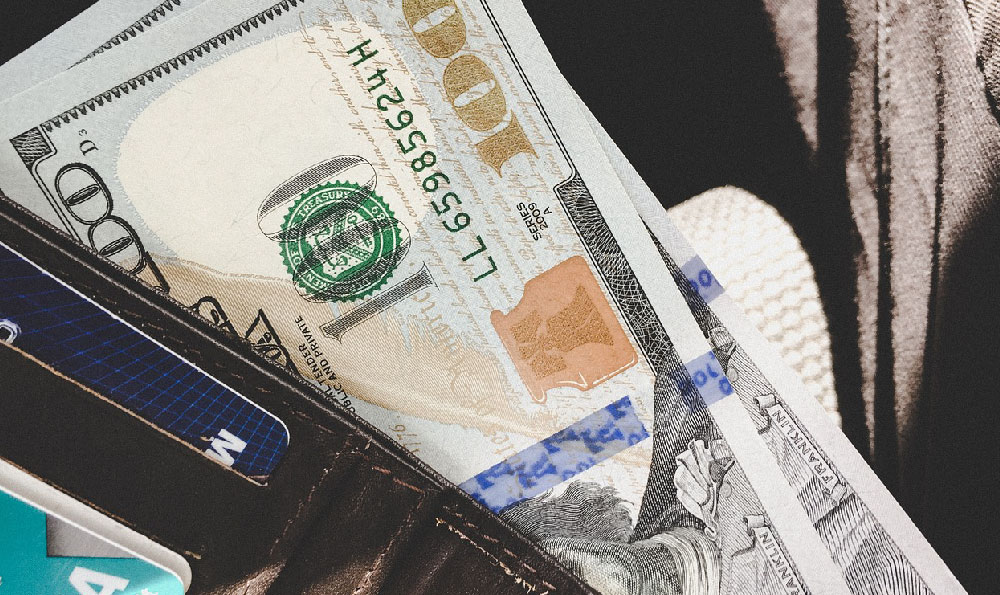
Let's first delve into the practical aspects of replicating currency. Achieving a convincing counterfeit that can fool both individuals and sophisticated detection systems is exceedingly difficult. Modern currency incorporates a multitude of security features designed to prevent forgery. These include specialized paper compositions, intricate printing techniques involving intaglio and microprinting, watermarks, security threads, color-shifting inks, and sometimes even holograms or embedded microchips.

Replicating these features requires access to highly specialized equipment and expertise far beyond the reach of the average individual. The paper itself is not ordinary; it's a blend of cotton and linen fibers, often with embedded security fibers that are visible under ultraviolet light. Printing presses capable of reproducing the fine lines and subtle variations of intaglio printing are extremely expensive and tightly controlled. The inks used are also specialized, often containing metallic particles or pigments that shift color depending on the viewing angle.
Even with access to such equipment, mastering the techniques required to produce a convincing counterfeit is a daunting task. Each stage of the process demands precision and attention to detail. Any deviation from the original design, any imperfection in the printing, or any flaw in the paper can be a giveaway to a trained observer or a counterfeit detection machine.
The tactile feel of currency is also a critical factor. Genuine banknotes have a distinctive feel due to the intaglio printing process, which creates a raised texture on the surface of the paper. Replicating this feel is challenging, as it requires specialized printing plates and high pressure. Counterfeiters often resort to using embossing techniques, but these are rarely convincing.
Moreover, the complexity of security features is constantly evolving. As counterfeiters develop new techniques, currency issuers respond by incorporating even more sophisticated measures. This creates an ongoing arms race between counterfeiters and law enforcement. For example, the introduction of polymer banknotes in some countries has made counterfeiting significantly more difficult due to the unique properties of the plastic substrate.
Now, addressing the core question: Is counterfeiting legal? The answer is an unequivocal no. Counterfeiting currency is a serious crime in virtually every country in the world. The act undermines the integrity of the monetary system, erodes public trust in currency, and can have devastating economic consequences.
The penalties for counterfeiting are severe, often involving lengthy prison sentences and substantial fines. In many jurisdictions, possessing counterfeit currency with the intent to distribute it is also a crime, even if the individual did not create the counterfeit money themselves. The severity of the punishment reflects the seriousness of the offense and the potential damage it can inflict on society.
Beyond the legal ramifications, there are also significant ethical considerations. Counterfeiting is essentially a form of theft, as it involves creating something of value without providing any legitimate goods or services in return. It is also a betrayal of trust, as it undermines the foundations of economic exchange.
Imagine the ripple effect of widespread counterfeiting. Businesses would become wary of accepting cash, consumers would lose confidence in the currency, and the entire economy would be destabilized. The resulting chaos would disproportionately harm the most vulnerable members of society, who rely on cash for their daily transactions.
Instead of pursuing illegal and unethical schemes like counterfeiting, individuals seeking to improve their financial situation should focus on legitimate avenues such as education, entrepreneurship, and responsible investing. Building wealth through hard work, innovation, and ethical conduct is not only morally justifiable but also far more sustainable in the long run. While the allure of quick riches might be tempting, the risks and consequences associated with counterfeiting are simply not worth it. The pursuit of financial success should always be guided by principles of integrity, honesty, and respect for the law. Focusing on legitimate means ensures not only personal security but also contributes to a stable and trustworthy economic environment for everyone.