Money Rose: DIY Art or Wasteful Display?

Okay, I understand. Here's an article exploring the topic of money roses, considering both their potential as DIY art and the criticisms leveled against them as wasteful displays of wealth.
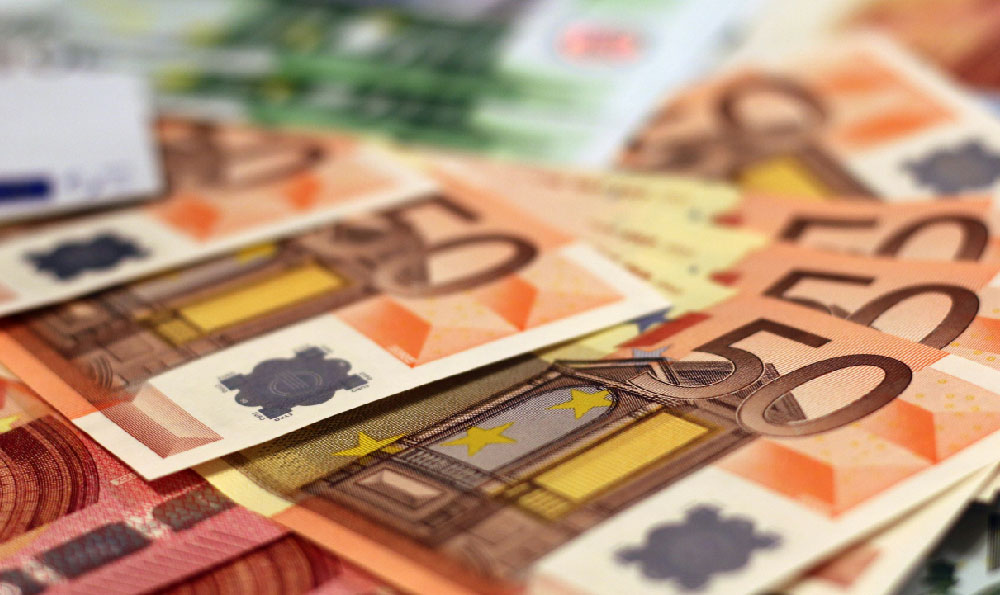
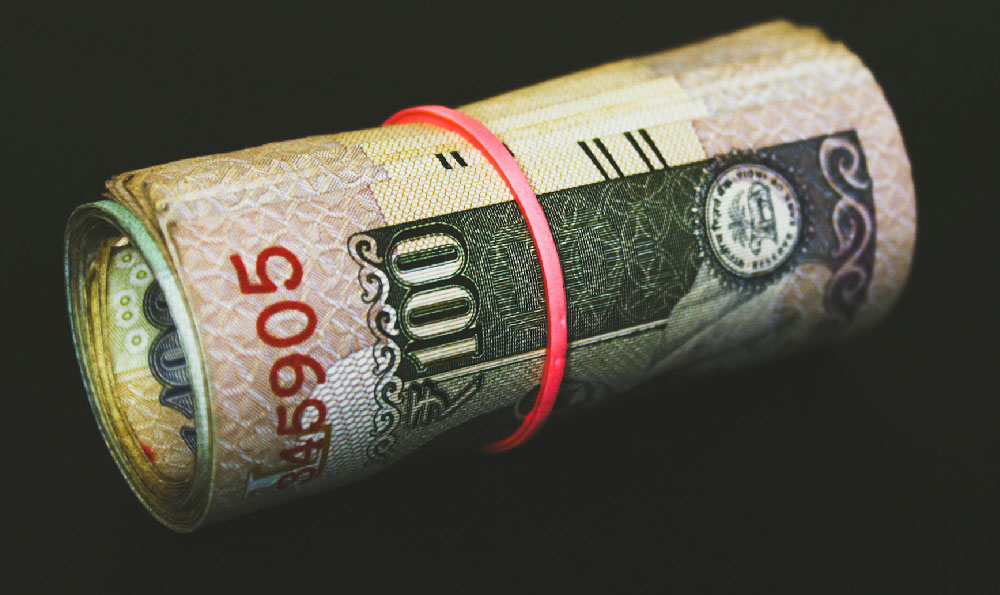
Money roses, meticulously crafted from crisp banknotes and arranged into floral bouquets, have sparked a heated debate in the realm of personal finance and artistic expression. Are they a clever, creative outlet for showcasing affluence, or a tone-deaf and ultimately wasteful exercise? The answer, like the delicate petals of the currency blooms themselves, is layered and nuanced.
On one hand, the argument for money roses as a form of DIY art holds considerable weight. In a world saturated with mass-produced goods, the act of painstakingly folding and shaping currency into intricate rose formations represents a tangible investment of time and skill. Proponents suggest that these creations are no different, conceptually, from any other artwork made from unconventional materials. Think of sculptures built from recycled plastic, collages pieced together from magazine scraps, or even paintings using coffee grounds as pigment. The value lies not just in the raw material, but in the artist's vision and the labor involved in bringing that vision to life. Furthermore, the creation of money roses can be seen as a form of subversive commentary on our relationship with money. By transforming legal tender into something inherently beautiful and ephemeral, the artist highlights the inherent fragility and artificiality of financial value. It compels viewers to question the perceived worth of money and its role in our lives. The very act of "wasting" money on art, ironically, can be seen as a powerful statement against consumerism and the relentless pursuit of material wealth.
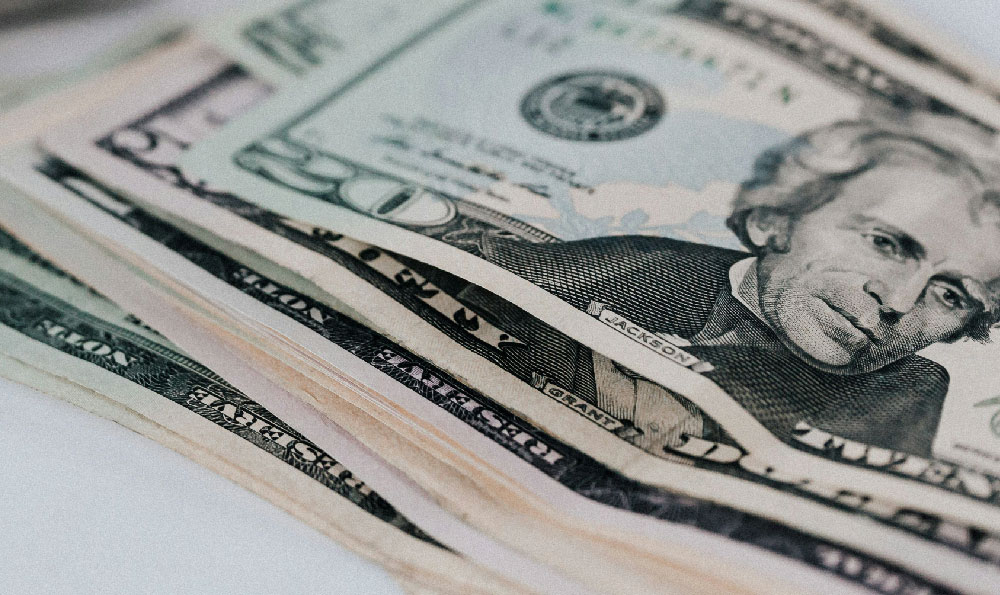
Moreover, the gifting of money roses can be interpreted as a thoughtful and personalized gesture. Instead of simply handing over cash in an envelope, the giver invests time and effort into creating a unique and memorable present. The recipient is not just receiving money; they are receiving a symbol of the giver's care and creativity. The money itself then becomes secondary to the gesture, a physical manifestation of affection or appreciation. Imagine a graduation gift, a wedding present, or a birthday surprise. The novelty and artistry of a money rose bouquet can certainly leave a lasting impression. The receiver can then choose to dismantle the artwork and use the money, knowing they enjoyed a creative and unique gift. The memory associated with the gift arguably holds a greater value than the face value of the bills used.
However, the counter-argument against money roses as wasteful displays of wealth is equally compelling. Critics argue that the act of deliberately destroying the functionality of money – even temporarily – is inherently irresponsible, especially in a world where financial insecurity is a harsh reality for millions. Tying up potentially life-changing sums of money in decorative arrangements, instead of investing, saving, or donating it, can be seen as a callous disregard for those less fortunate. The visual spectacle of money roses, some argue, reinforces the problematic notion that wealth equates to happiness and success. It normalizes the flaunting of affluence, potentially fueling social inequality and fostering a culture of envy and resentment. In essence, the display is seen as insensitive, especially when it is broadcast online or shared publicly.
Furthermore, the practice raises ethical questions about the devaluing of currency. While not technically illegal in most jurisdictions, the deliberate manipulation of banknotes can be seen as disrespectful to the symbolic value of money and the economic systems it represents. Some argue that it contributes to a culture of disrespect for the value of money and can lead to poor financial habits. It sets a bad example, particularly for young people, by suggesting that money is something to be frivolously squandered rather than responsibly managed.
The environmental impact should also be considered. While paper currency is typically made from cotton fiber, the production process still involves resources and energy. Destroying its primary function and turning it into a decorative item contributes to unnecessary waste. If the trend of money roses becomes widespread, the cumulative environmental footprint could be significant. The argument here suggests that the resources used in production, even if small for each individual rose, add up to a considerable amount when viewed holistically.
Ultimately, the perception of money roses boils down to individual values, socioeconomic context, and the intent behind their creation and presentation. What one person sees as a harmless artistic expression, another might perceive as a blatant and insensitive flaunting of wealth. Before embarking on such a project, it is crucial to consider the potential implications of your actions and the message you are conveying. Ask yourself: Are you creating this artwork out of genuine artistic passion, or simply to impress others with your financial resources? Are you aware of the potential for your display to be perceived as insensitive or wasteful, and are you comfortable with that possibility? Context is paramount. A small money rose crafted as a private gesture of affection within a close-knit family might be perceived differently than a lavish bouquet displayed publicly on social media.
In conclusion, the debate surrounding money roses highlights the complex and often contradictory relationship we have with money. While they can be viewed as a creative and thought-provoking form of art, it is essential to be mindful of the potential for their display to be perceived as wasteful, insensitive, and ethically questionable. The decision of whether to create or admire them ultimately depends on individual judgment and a careful consideration of the social and economic context in which they are presented. There is no definitive right or wrong answer; the key is to approach the topic with sensitivity and a critical awareness of the potential implications of our actions.