Real-Time Risk Alerts: How Real Are They, and Do You Need Them?

Okay, I'm ready. Here's an article based on your title, aiming for depth, a conversational tone, and avoiding explicit numbered lists or introductory phrases like "Firstly, Secondly."
Real-Time Risk Alerts: How Real Are They, and Do You Need Them?
The allure of instant gratification is deeply embedded in our modern psyche. We expect our coffee brewed in minutes, our news delivered as it happens, and, increasingly, our financial risk assessments to be flashed across our screens in real-time. But how "real" are these real-time risk alerts that are being marketed by brokerage platforms, financial advisors, and robo-advisors? And, perhaps more importantly, in the grand scheme of long-term wealth building, do you really need them?
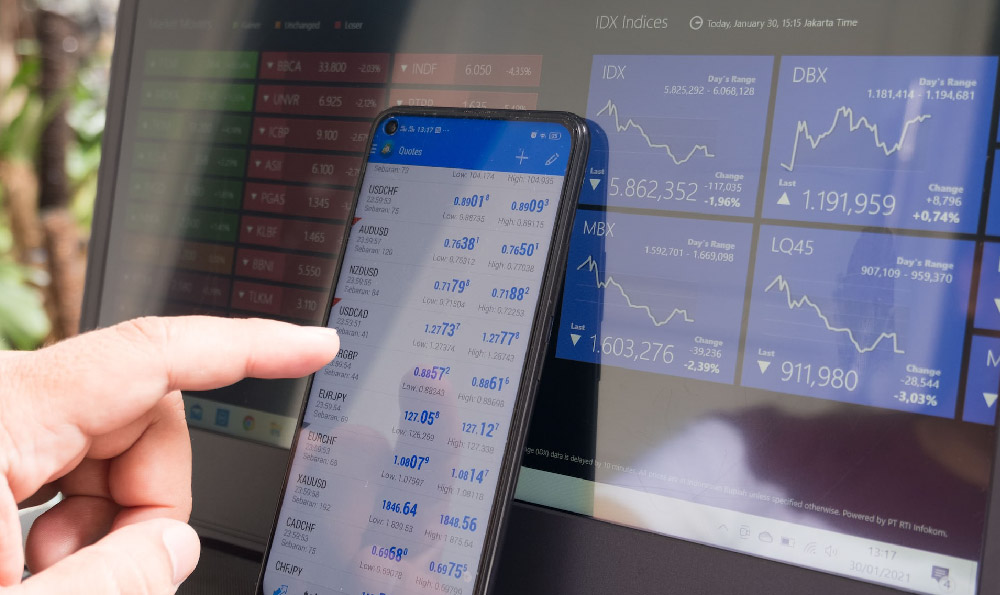
Let's unpack the "real-time" aspect first. Technology has undoubtedly shrunk the world and accelerated information flow. Algorithms can now analyze massive datasets – stock prices, economic indicators, sentiment analysis from social media, and even geopolitical events – to identify potential risks within seconds. However, it's crucial to understand that these alerts are typically based on pre-defined parameters and models. They are reactive, not predictive, in the truest sense. An alert might flash red when a stock price drops below a certain threshold, or when volatility spikes in a particular sector. It flags a potential problem according to its programmed logic. The interpretation of that problem and the subsequent action are still very much in your hands (or your advisor's).
The reality is that market noise is constant. Day-to-day fluctuations are often driven by factors that are short-lived and ultimately inconsequential to a long-term investment strategy. Over-reacting to every real-time alert can lead to emotional decision-making, which is the bane of successful investing. Panic selling during a market dip, triggered by a cascade of red alerts, is a classic example of how these seemingly helpful tools can backfire. Investors risk locking in losses and missing out on the subsequent rebound.
The need for real-time risk alerts really depends on your investment style, your risk tolerance, and your time horizon. A day trader, glued to their screens and constantly seeking to profit from intraday price movements, might find these alerts invaluable. For them, seconds can translate to dollars, and the ability to react quickly to changing market conditions is paramount. However, the vast majority of investors are not day traders. They are individuals saving for retirement, funding their children's education, or achieving other long-term financial goals. For these investors, a more measured and strategic approach is generally more effective.
Imagine someone meticulously building a diversified portfolio, carefully selected to align with their long-term financial objectives. They understand that market volatility is inherent and have accepted a certain level of risk as part of the investment process. Do they really need a constant barrage of alerts telling them that their portfolio is down 2% today because of some temporary news event? Probably not. In fact, those alerts could be actively detrimental, causing unnecessary anxiety and potentially leading to impulsive decisions that derail their carefully laid plans.
A more appropriate strategy for long-term investors is to focus on periodic portfolio reviews and rebalancing. This involves assessing the portfolio's performance against benchmarks, evaluating the allocation of assets, and making adjustments as needed to maintain the desired risk profile. These reviews are typically conducted quarterly or annually, providing ample time to assess market trends and make informed decisions without being swayed by short-term noise.
Furthermore, the effectiveness of real-time alerts hinges on the quality of the underlying data and the sophistication of the algorithms used to generate them. Not all alerts are created equal. Some may be based on simplistic models that are prone to false positives, while others may incorporate more complex factors and provide more nuanced insights. It's essential to understand the methodology behind the alerts and to critically evaluate their relevance to your specific investment goals.
Moreover, consider the source of these alerts. Are they coming from a reputable financial institution with a track record of providing sound advice? Or are they being pushed by a brokerage platform that benefits from increased trading activity, regardless of whether it's in your best interest? It's crucial to be aware of potential conflicts of interest and to seek out unbiased sources of information.
In conclusion, real-time risk alerts are a powerful tool that can provide valuable insights into market movements. However, they are not a panacea for investment risk. Their effectiveness depends on your investment style, your risk tolerance, and the quality of the alerts themselves. For long-term investors, a more strategic and less reactive approach is often more effective. Focus on building a diversified portfolio, conducting periodic reviews, and staying informed about market trends without getting bogged down in the daily noise. Ultimately, successful investing is about discipline, patience, and a long-term perspective, not about reacting to every blip on the radar screen. The real value lies not in instantaneous notifications, but in well-researched decisions and a commitment to a sound financial plan.