How Can You Make Money on Robinhood? Is it Worth It?

Robinhood, with its commission-free trading and user-friendly interface, has democratized access to financial markets, including the often volatile world of cryptocurrencies. While the platform offers the potential for profit, navigating the crypto landscape requires a strategic approach, a realistic understanding of the risks, and a commitment to continuous learning. Whether Robinhood is "worth it" as a crypto investment platform depends entirely on your individual circumstances, risk tolerance, and investment goals.
The allure of making money on Robinhood through crypto stems from several factors. Firstly, the commission-free structure allows investors to execute numerous trades without incurring significant costs, especially beneficial for day traders or those employing high-frequency strategies. Secondly, the streamlined user interface makes it easy for beginners to buy and sell cryptocurrencies like Bitcoin, Ethereum, Dogecoin, and others supported on the platform. This accessibility lowers the barrier to entry, attracting individuals who might otherwise be intimidated by traditional exchanges. Finally, the fractional share feature allows investors to participate in the market even with limited capital, as they can purchase portions of expensive cryptocurrencies like Bitcoin.
However, the potential for profit is inseparable from the inherent risks associated with crypto investments. The volatility of the crypto market is legendary. Prices can fluctuate wildly in short periods, influenced by factors such as regulatory announcements, technological advancements, social media sentiment, and overall market trends. A seemingly promising investment can quickly turn sour, leading to significant losses if not managed prudently.

Therefore, a well-defined investment strategy is paramount. Avoid the temptation to chase quick gains based on hype or fear of missing out (FOMO). Instead, conduct thorough research on the cryptocurrencies you're considering. Understand their underlying technology, use cases, market capitalization, and the teams behind them. Diversification is crucial; spreading your investments across multiple cryptocurrencies can mitigate the risk associated with any single asset. Consider allocating only a small percentage of your overall investment portfolio to crypto, especially if you are risk-averse. This principle ensures that even substantial losses in the crypto market won't significantly impact your overall financial well-being.
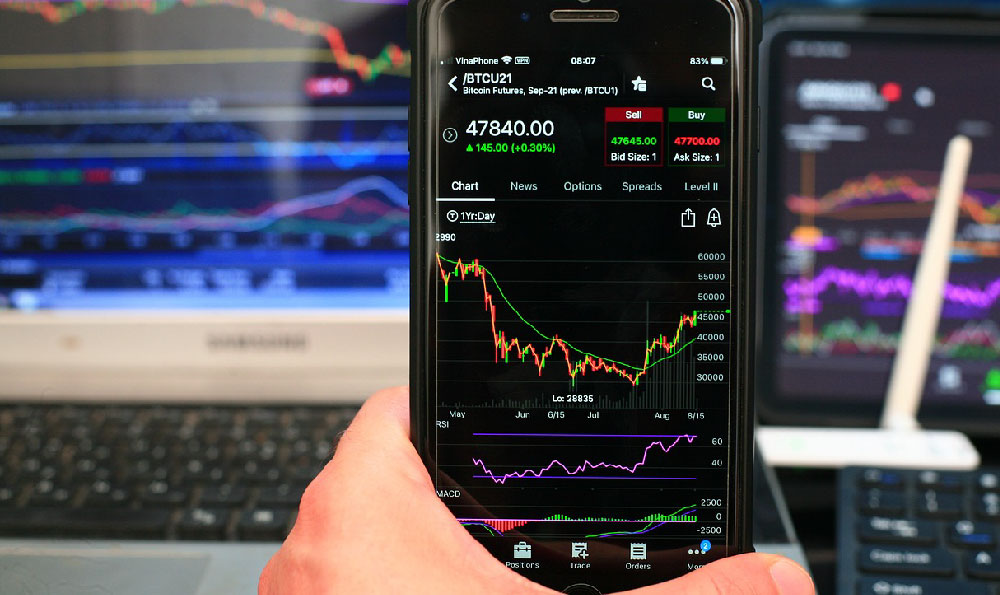
Technical analysis can be a valuable tool in identifying potential entry and exit points. Learning to interpret chart patterns, moving averages, and other technical indicators can provide insights into market trends and potential price movements. However, remember that technical analysis is not foolproof, and past performance is not indicative of future results. Combining technical analysis with fundamental analysis (evaluating the intrinsic value of a crypto project) can provide a more holistic view of the market.
Beyond strategy, effective risk management is essential for safeguarding your capital. Set stop-loss orders to automatically sell your holdings if the price falls below a predetermined level, limiting potential losses. Define your profit targets and take profits when those targets are reached, rather than getting greedy and potentially seeing gains evaporate. Avoid leverage trading, especially when dealing with volatile assets like cryptocurrencies. Leverage amplifies both profits and losses, and can quickly lead to devastating financial consequences if not used with extreme caution and expertise.
Robinhood's platform itself has its limitations. Compared to dedicated crypto exchanges, it offers a relatively limited selection of cryptocurrencies. Furthermore, Robinhood does not provide users with access to their private keys, meaning you don't truly "own" your crypto in the same way you would if you held it in a personal wallet. This lack of control can be a concern for some investors, especially those prioritizing security and decentralization. Robinhood also faced criticism during periods of high market volatility, with some users experiencing trading restrictions or platform outages. These issues highlight the importance of understanding the platform's limitations and considering alternative options, such as using a dedicated crypto exchange, if necessary.
Moreover, be wary of scams and fraudulent schemes that proliferate in the crypto space. Phishing attacks, pump-and-dump schemes, and fake ICOs (Initial Coin Offerings) are just a few of the dangers lurking in the digital shadows. Always double-check the legitimacy of any investment opportunity before committing your capital. Never share your private keys or personal information with anyone, and be skeptical of unsolicited offers promising guaranteed returns.
To determine whether Robinhood is "worth it" for crypto investments, consider your individual circumstances. If you are a beginner looking for a simple and accessible platform to dip your toes into the crypto market with a small amount of capital, Robinhood can be a suitable starting point. However, if you are a seasoned investor seeking a wider range of cryptocurrencies, advanced trading tools, and greater control over your assets, a dedicated crypto exchange might be a better choice.
Ultimately, successful crypto investing on Robinhood or any other platform requires a combination of knowledge, discipline, and a realistic understanding of the risks involved. Continuous learning is essential; stay informed about the latest developments in the crypto space, follow reputable news sources, and engage with the community to learn from others' experiences. Remember that there are no guaranteed returns in the crypto market, and past performance is not indicative of future results. By adopting a strategic approach, managing your risks effectively, and remaining vigilant against scams, you can increase your chances of achieving your financial goals while navigating the exciting and potentially rewarding world of cryptocurrency. Don’t invest more than you can afford to lose, and always remember to do your own research before making any investment decisions.