What Apps Really Make You Money? Which Ones Are Legit?

The digital age has ushered in a plethora of apps promising to make you money, from micro-task platforms to sophisticated investment tools. While the lure of earning passive income from your phone is undeniably appealing, separating legitimate opportunities from scams or time-wasters can be challenging. Understanding which apps genuinely offer potential for financial gain and how to navigate the associated risks is crucial for making informed decisions.
One major category of money-making apps focuses on the "gig economy." These platforms connect users with short-term tasks or projects, allowing them to earn income on a flexible schedule. Apps like Uber and Lyft, while not strictly "investment" tools, provide drivers with the opportunity to earn income by providing transportation services. Similarly, delivery apps like DoorDash and Grubhub allow users to earn money by delivering food and other goods. The legitimacy of these apps is generally high, as they represent established businesses with real demand for their services. However, the income potential can vary greatly depending on location, demand, and the amount of time dedicated to the work. Moreover, the expenses associated with gig work, such as vehicle maintenance and gas, must be carefully considered when calculating actual earnings.
Another popular segment of money-making apps revolves around micro-tasks and surveys. Apps like Swagbucks, Survey Junkie, and Amazon Mechanical Turk offer users small payments for completing tasks such as answering surveys, watching videos, or performing simple data entry. These apps are generally legitimate, but the earning potential is often quite low. Users should be aware that these apps are unlikely to generate substantial income and are more suited for earning small amounts of spending money in their spare time. The time investment versus the reward should be carefully evaluated. Spending hours answering surveys for a few dollars might not be the most efficient use of your time. Furthermore, be wary of apps that promise excessively high payouts for simple tasks, as these are often scams or require significant personal information that could compromise your privacy.

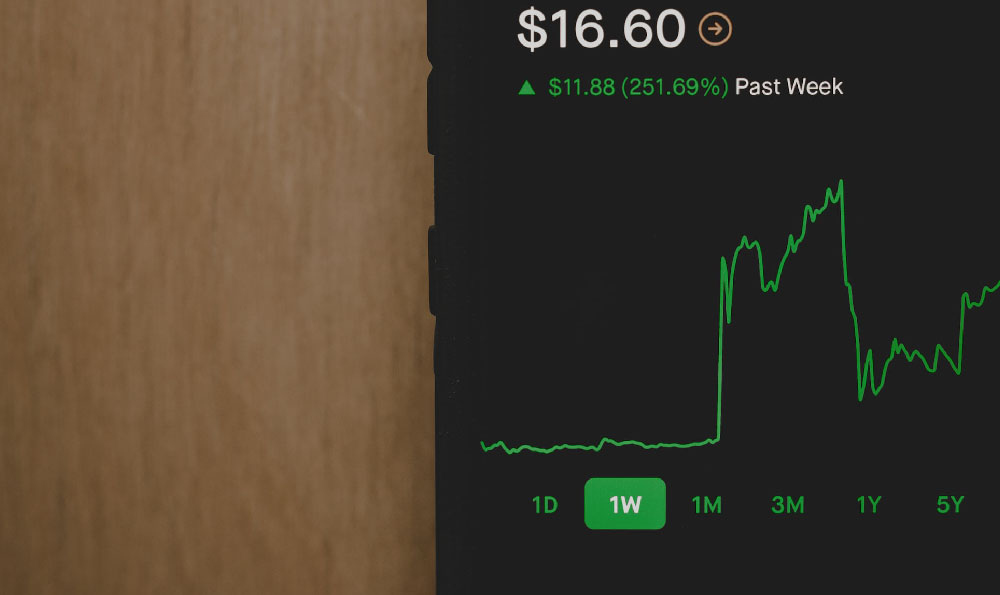
The realm of investment apps has experienced explosive growth in recent years, offering users the ability to buy and sell stocks, bonds, cryptocurrencies, and other assets directly from their smartphones. Robinhood, Acorns, and Webull are examples of popular investment apps that have democratized access to the financial markets by offering commission-free trading and fractional shares. These apps can be a legitimate way to invest and grow your wealth over time, but they also come with significant risks. Investing in the stock market involves inherent risks, including the potential for loss of capital. It's essential to understand the investment products you're buying and to develop a well-diversified portfolio that aligns with your risk tolerance and financial goals.
Be particularly cautious of investment apps that promise guaranteed returns or offer suspiciously high yields with little or no risk. These are often red flags for scams or Ponzi schemes. Always do your research and consult with a qualified financial advisor before making any investment decisions, especially if you're new to investing. It’s also vital to check if the app and the investment firm behind it are registered with the relevant regulatory bodies, such as the Securities and Exchange Commission (SEC) in the United States. Regulatory oversight provides a layer of protection for investors and helps ensure that the firm is operating legally and ethically.
Cashback and rewards apps represent another category of money-making opportunities. Apps like Rakuten and Ibotta offer users cashback or rewards points for making purchases through their platforms or submitting receipts. These apps can be a legitimate way to save money on everyday expenses and earn small amounts of passive income. However, it's important to compare the rewards offered by different apps and to make sure that you're not spending more money than you would otherwise in order to earn the rewards. Consider whether the effort required to scan receipts or activate offers is worth the potential savings.
Finally, apps focusing on selling unwanted items have become increasingly popular. Platforms like eBay, Poshmark, and Depop allow users to list and sell clothing, electronics, and other items they no longer need. These apps can be a legitimate way to declutter your home and earn some extra money. Success on these platforms often depends on the quality of the items you're selling, the pricing strategy, and the effort you put into marketing your listings. Providing clear and accurate descriptions, taking high-quality photos, and responding promptly to customer inquiries can all help you increase your sales.
In conclusion, while many apps genuinely offer opportunities to make money, it's crucial to approach them with a critical eye and a healthy dose of skepticism. Before investing your time or money, research the app thoroughly, read reviews, and understand the terms and conditions. Be wary of apps that promise unrealistic returns or require excessive personal information. A balanced approach, combining careful research with a realistic understanding of the earning potential, is essential for navigating the world of money-making apps and maximizing your chances of success. Remember that legitimate apps typically require effort and time investment, and that overnight riches are rarely, if ever, a reality.