Is it Part-Time, or What?

The allure of cryptocurrency investment often flickers with promises of quick riches and financial independence. Individuals, drawn by stories of overnight millionaires, frequently consider dabbling in this volatile market, viewing it as a potential side hustle, a "part-time" endeavor to supplement their existing income. However, framing cryptocurrency investment solely as a part-time pursuit can be misleading and, frankly, dangerous. The question isn't simply whether it is part-time, but rather, what it demands to be successful, and whether that aligns with a casual, part-time commitment.
Cryptocurrency investment, at its core, is an exercise in managing risk and navigating complexity. The market is a tempestuous sea, characterized by extreme volatility, regulatory uncertainty, and a constant barrage of new projects and technologies. To approach it as a mere sideline hobby is to significantly underestimate the depth of knowledge and dedication required to stay afloat, let alone thrive.
Think of it this way: would you approach brain surgery or piloting an airplane on a part-time basis? Of course not. These professions demand constant learning, meticulous attention to detail, and the ability to react swiftly to unpredictable circumstances. While cryptocurrency investment might not carry the same life-or-death stakes, the potential for significant financial loss is very real, and the principles of careful study and informed decision-making remain paramount.

The "part-time" misconception often stems from the ease of access. With numerous exchanges and brokerage platforms readily available on smartphones and computers, entering the cryptocurrency market feels remarkably simple. However, the ease of buying and selling belies the complex underpinnings of the underlying technology and the intricate dynamics that drive price fluctuations. Simply purchasing a coin based on a friend's recommendation or a fleeting headline is a recipe for disaster.
True success in cryptocurrency investment demands a commitment to ongoing education. This means dedicating time to understand blockchain technology, cryptography, and the fundamental economics of different cryptocurrencies. It requires diligently researching projects, scrutinizing whitepapers, and evaluating the teams behind them. It also necessitates staying abreast of regulatory developments, geopolitical events, and technological advancements that could impact the market.
Furthermore, effective risk management is crucial. A responsible investor understands the importance of diversification, spreading their investments across a range of assets to mitigate potential losses. They also employ strategies such as stop-loss orders to limit downside risk and avoid emotional decision-making driven by fear or greed. These are not practices one can casually implement; they require a structured approach and consistent monitoring.
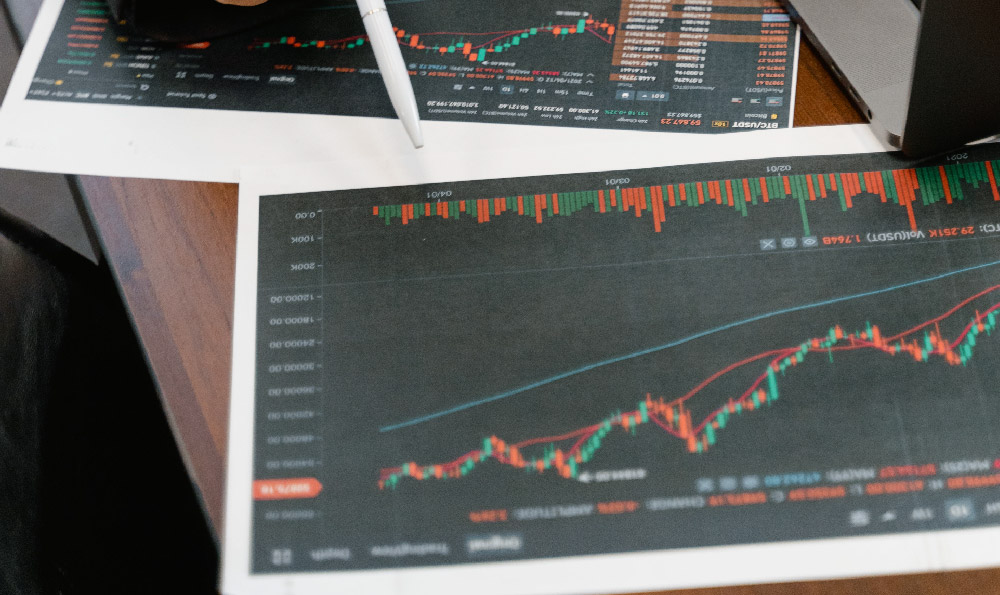
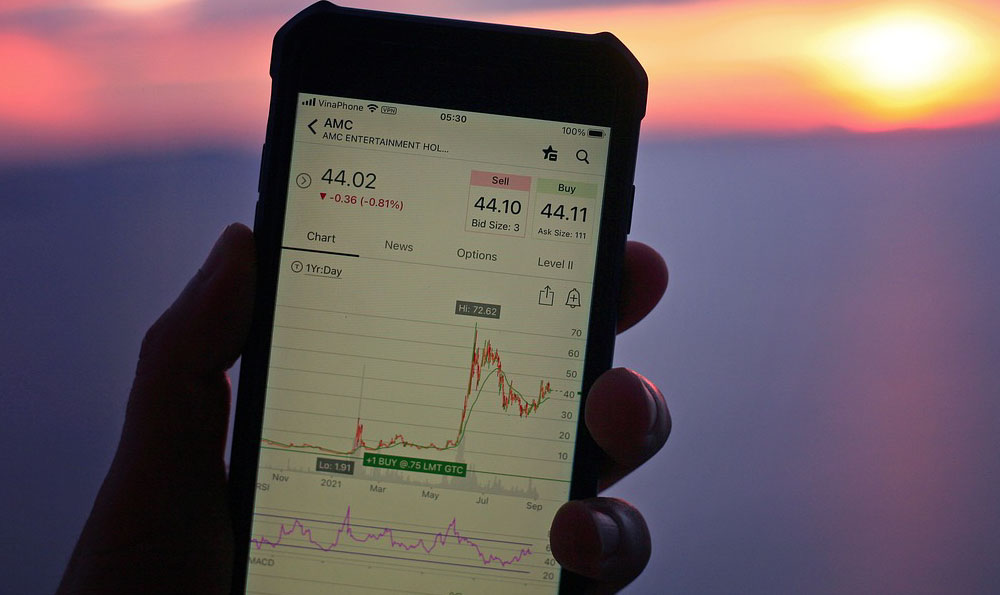
The time commitment extends beyond research and risk management. Active trading, while potentially lucrative, demands constant vigilance. Monitoring price charts, analyzing trading volumes, and staying informed about market sentiment requires significant time and attention. Even passive investing, such as staking or yield farming, requires periodic monitoring to ensure the security of your assets and the continued viability of the projects you're invested in.
It's important to acknowledge that some individuals do successfully navigate the cryptocurrency market with a less intensive approach. However, these individuals typically possess a strong foundation in finance, technology, or a related field, or they are exceptionally disciplined and risk-averse. They also understand the limitations of their knowledge and avoid making speculative bets on assets they don't fully understand.
The critical point is this: while cryptocurrency investment can be integrated into a broader financial strategy alongside other income sources, it shouldn't be approached with a casual, dismissive attitude. The potential rewards are undeniable, but they come with inherent risks that demand serious attention and ongoing effort.
Instead of asking "Is it part-time?", a more prudent question is "How much time am I willing to dedicate to learning and managing the risks associated with this investment?" If the answer is "not much," then the most responsible course of action is to proceed with extreme caution, invest only what you can afford to lose, and consider seeking guidance from a qualified financial advisor who specializes in cryptocurrency.
Ultimately, the success of any investment strategy hinges on informed decision-making, disciplined execution, and a realistic understanding of the risks involved. Cryptocurrency investment is no different. It requires a mindset shift from viewing it as a quick and easy path to riches to recognizing it as a complex and demanding endeavor that requires ongoing education, rigorous risk management, and a commitment to continuous learning. Only then can individuals hope to navigate the turbulent waters of the cryptocurrency market and achieve sustainable financial growth.